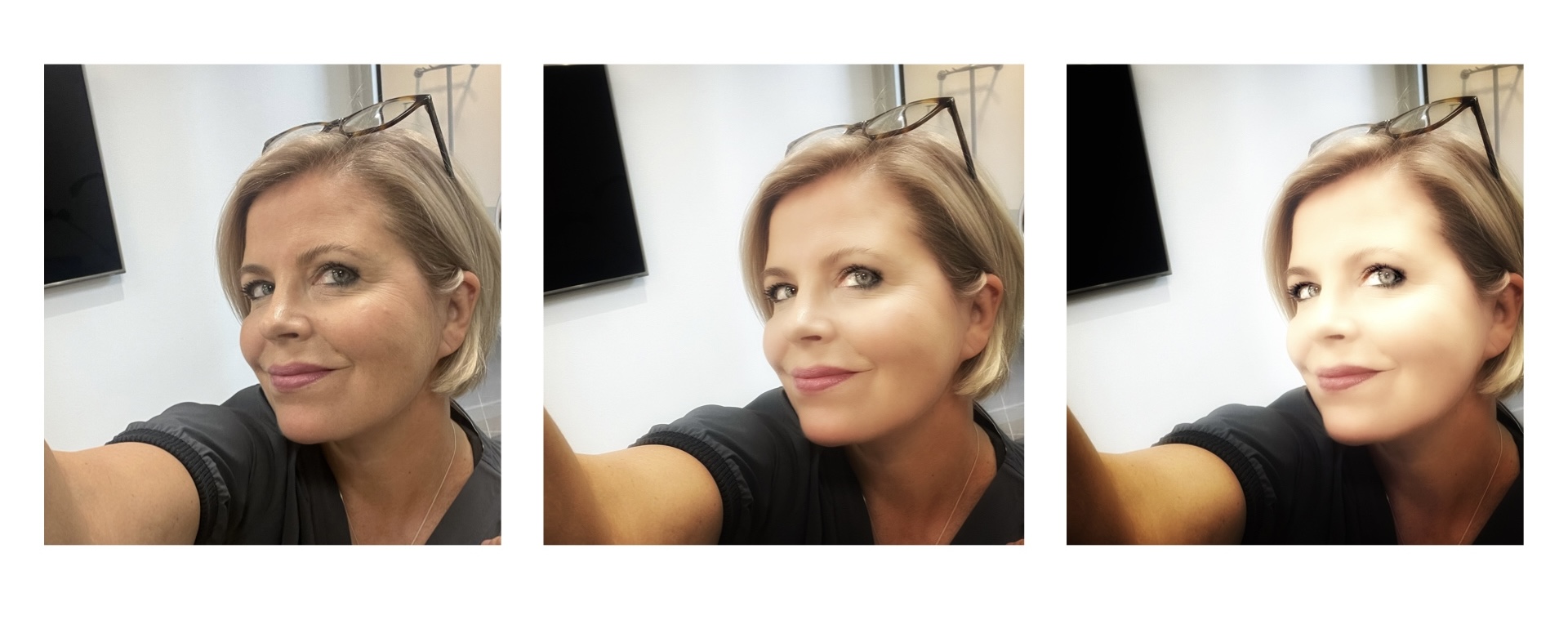
Social media and plastic surgery – an expert's perspective
Social media is one of the most important sources of information today – even when searching for information about plastic surgery. Instagram, TikTok, and YouTube offer a wealth of photos, videos, and patient stories, and many people get their first taste of various aesthetic procedures from them. Although social media can inspire and help you find information, its content also presents certain challenges.
Social media often highlights narrow beauty standards and heavily edited photos. Filters, photo editing, and carefully chosen angles can create unrealistic expectations.
Trends spreading on TikTok, such as the so-called “snatched jawline” or “fox eyes” look, are examples of how quickly virtual beauty ideals can influence what patients request during consultations. Among other things, the lip fillers of super-celebrities and well-known social media influencers, such as Kylie Jenner, or Bella Hadid’s speculated facial features, have influenced entire generations and their perception of what is “normal.”
It’s worth remembering that, in reality, no one actually looks the way Instagram posts make them appear—not even after plastic surgery.
Authentic experiences or just marketing hype?
Many people openly share their personal experiences with plastic surgery. For many, these can serve as meaningful peer support while also providing valuable starting points for conversation. However, it is important to remember that an individual’s experiences or outright rumors never tell the whole truth. Every procedure and its results are unique and depend, among other things, on the patient’s initial condition, overall health, and tissue characteristics.
Influencer marketing has also become more common in the field of plastic surgery. International trends, such as “Before & After” videos or vlogs like “My Plastic Surgery Journey,” are racking up millions of views across various platforms. That is why it is important to approach content that presents procedures as “easy” or “quick fixes” with a critical eye. All surgical procedures involve risks and should always be discussed with a specialist. Decisions should not be made based solely on advertisements or other content seen on social media.
Despite this, social media isn’t just a big bad wolf—it can also be a useful tool: among other things, it can help you understand the full range of possibilities that plastic surgery offers. Through social media, you can also find reliable (and not-so-reliable) experts and keep up with developments in the field.
Social media is indeed a powerful tool for gathering information, but at its worst, it can also be misleading. When considering plastic surgery, the most important information always comes from a consultation with a specialist. It’s fine to find inspiration on social media, but decisions about your own body should always be made only after careful consideration and a discussion based on medical information.
Book a consultation so we can discuss your needs and find the solutions that are right for you!
Anna Höckerstedt
Plastic surgeon
"I am a board-certified plastic surgeon and a Doctor of Medicine. My goal in my work is to provide realistic and reliable information so that every patient can make safe and informed decisions about their own body."
