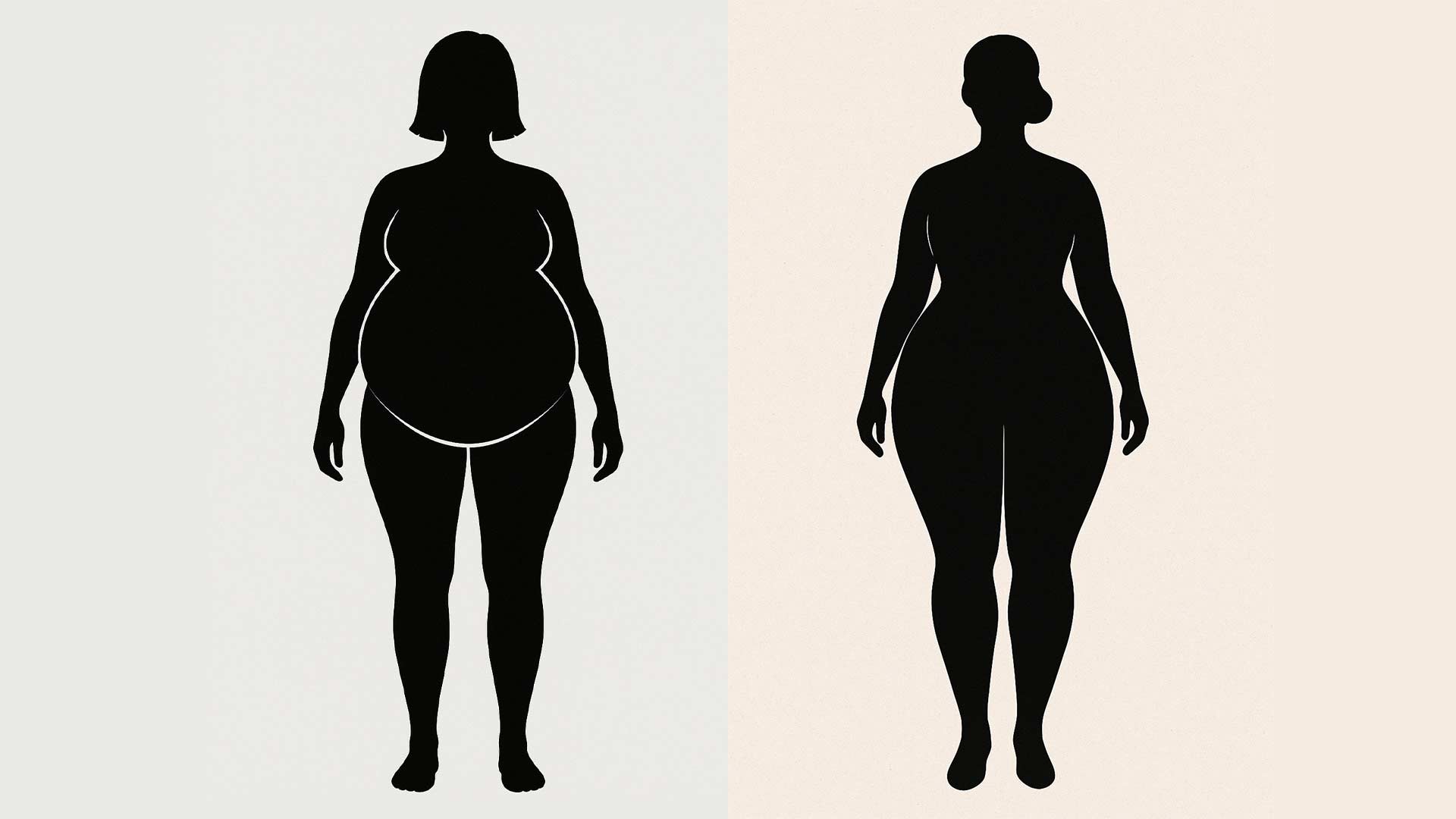
"I would like to have tummy tuck surgery, but will my weight prevent that?"
Increased body weight or a higher body mass index do not directly prevent a person from undergoing abdominal contouring surgery. Of course, scales and BMI provide a general indication, but ultimately what matters is the patient's overall condition and where the fat is located in the body. Surgery is always planned on an individual basis, not solely on the basis of weight.
This is one of the most common questions I hear in my office. It’s an important and understandable question. Tummy tuck surgery, or abdominoplasty, is one of the most common body contouring procedures, and its safety and final results are influenced by many factors, not just weight.
Body Mass Index (BMI) certainly provides some guidance, but it doesn’t tell the whole story. If you are slightly overweight, what matters more than your weight or BMI for this particular surgery is where the body fat is located.
If fat has accumulated mainly in the thighs, hips, or buttocks, this does not usually prevent surgery. However, if there is a large amount of fat in the midsection, and especially inside the abdominal cavity (so-called visceral fat), the results of the surgery may be less than ideal, and the risks of the procedure increase. Visceral fat cannot be removed through surgery, and it can cause a feeling of "bulging" in the abdomen even after the procedure. In such cases, surgery may not be advisable.
General health matters
Of course, in addition to body fat, the patient’s overall health also plays a role. Many patients who are slightly overweight or even obese can be excellent candidates for surgery if other factors are favorable. Even if the BMI is slightly above the recommended limit, surgery is possible if the person is in good shape, generally healthy, physically active, and not too old.
It is important to note that a younger or fitter body can better withstand the stresses of surgery and recovers more quickly than an older or less fit body.
Should I lose weight before the surgery?
If you know you still have significant weight to lose—especially around your midsection—it makes sense to wait until your weight has stabilized for at least six months. On the other hand, if your weight has remained stable, you have little visceral fat, and your overall health is good, it may well be time to start toning your stomach now.
If you’re wondering whether your weight might prevent you from having surgery, I highly recommend scheduling a personal consultation at my office. During the consultation, we’ll assess your body composition and fat distribution, the condition of your skin and tissues, your overall physical condition and general health, as well as the possibilities and risks associated with surgery. This way, you’ll receive an honest and expert assessment of your specific situation.
Whether you’re considering a procedure or not, remember this: the goal of plastic surgery isn’t perfection, but well-being, functionality, and self-confidence in your own body.
Anna Höckerstedt
Plastic surgeon
